What is the best method for mold remediation in basements?
Learn about the best mold remediation methods for basements to protect your Appleton home from health hazards.
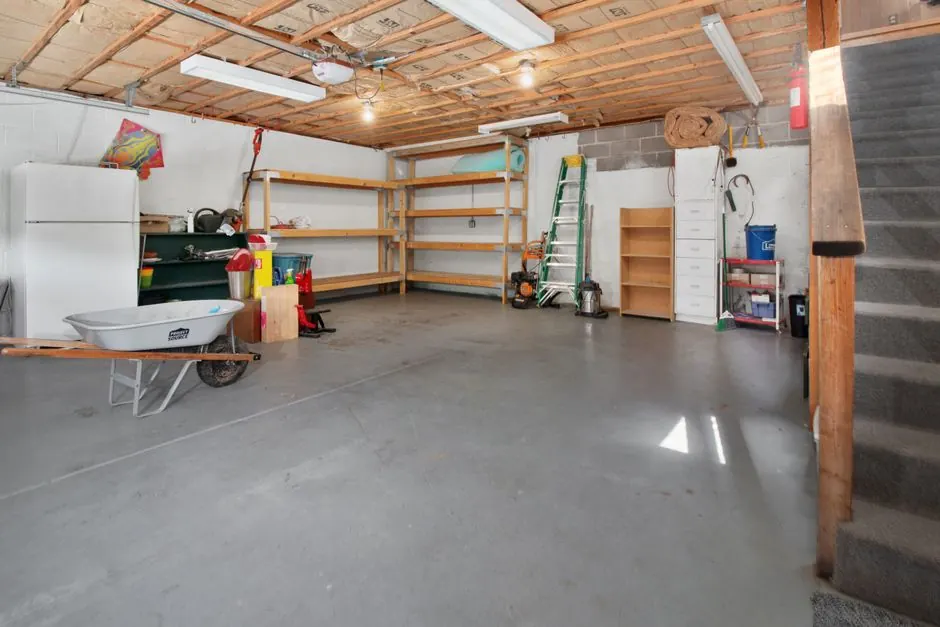
Mold remediation in basements is essential for maintaining a healthy indoor environment. The best method for mold remediation involves identifying the source of moisture, removing contaminated materials, and ensuring proper ventilation.
This article will explore the importance of mold remediation, effective methods to eliminate mold, prevention strategies, common mistakes to avoid, and when to seek professional help in Appleton.
What is mold remediation?
Mold remediation is the process of removing mold and preventing its return to ensure a safe living environment. It typically involves cleaning, sanitizing, and repairing areas affected by mold growth.
Why is mold remediation important?
Mold can cause various health issues, including respiratory problems and allergic reactions. In Appleton, where humidity levels can rise, mold growth in basements is a common concern. Remediation is crucial to protect your health and preserve your property.
What are the best methods for mold remediation?
The best methods for mold remediation in basements include:
- Identify and eliminate moisture sources: Address leaks, humidity, and condensation issues.
- Contain the affected area: Use plastic sheeting to prevent mold spores from spreading.
- Remove contaminated materials: Dispose of porous materials like drywall and carpet that cannot be cleaned effectively.
- Clean and disinfect: Use EPA-approved mold removers on hard surfaces and non-porous materials.
- Dry the area: Use dehumidifiers and fans to ensure complete drying.
- Repair and restore: Replace removed materials and improve ventilation to prevent future growth.
Many homeowners across Downtown Appleton face similar challenges with moisture and mold. Effective remediation can save you time and money in the long run.
How to prevent mold growth in basements?
Preventing mold growth in your basement involves several key strategies:
- Maintain low humidity levels (ideally below 60%) using dehumidifiers.
- Ensure proper ventilation by using exhaust fans and opening windows when possible.
- Regularly inspect for leaks and repair them promptly.
- Seal cracks in walls and floors to prevent water intrusion.
- Use mold-resistant products when renovating your basement.
Regular maintenance helps mitigate the risk of mold growth in your home, particularly in areas prone to dampness.
Common mistakes during mold remediation
Many homeowners make mistakes during mold remediation that can hinder effectiveness:
- Not addressing the moisture source, allowing mold to return.
- Skipping containment measures, leading to cross-contamination.
- Using ineffective cleaning products that do not eliminate mold spores.
- Failing to dry the area thoroughly after cleaning.
Understanding these pitfalls can help you execute a more effective mold remediation plan.
When to call a professional
Consider calling a professional for mold remediation if:
- The mold covers an area larger than 10 square feet.
- You have health concerns related to mold exposure.
- You are unable to identify the source of moisture.
- The problem persists despite your remediation efforts.
At Appleton Basement Water Damage Restoration, we specialize in Mold Remediation appleton WI and can help ensure your basement is safe and free from mold.
Frequently Asked Questions
1. How long does mold remediation take? Mold remediation can take anywhere from a few hours to several days, depending on the extent of the infestation and the size of the affected area.
2. How much does mold remediation cost? In 2026, typical costs for mold remediation in basements range from $500 to $3,000, depending on the severity of the mold problem.
3. Can I do mold remediation myself? While DIY remediation is possible for small areas, professional help is recommended for larger infestations or complex situations.
4. What are signs of mold in my basement? Common signs include a musty odor, visible mold growth, and water stains on walls or ceilings.
5. How can I tell if my basement is too humid? Use a hygrometer to measure humidity levels; above 60% indicates a need for dehumidification.