
Storm damage restoration tips for Appleton homeowners
Discover effective storm damage restoration tips for Appleton homeowners to protect basements and ensure effective cleanup.
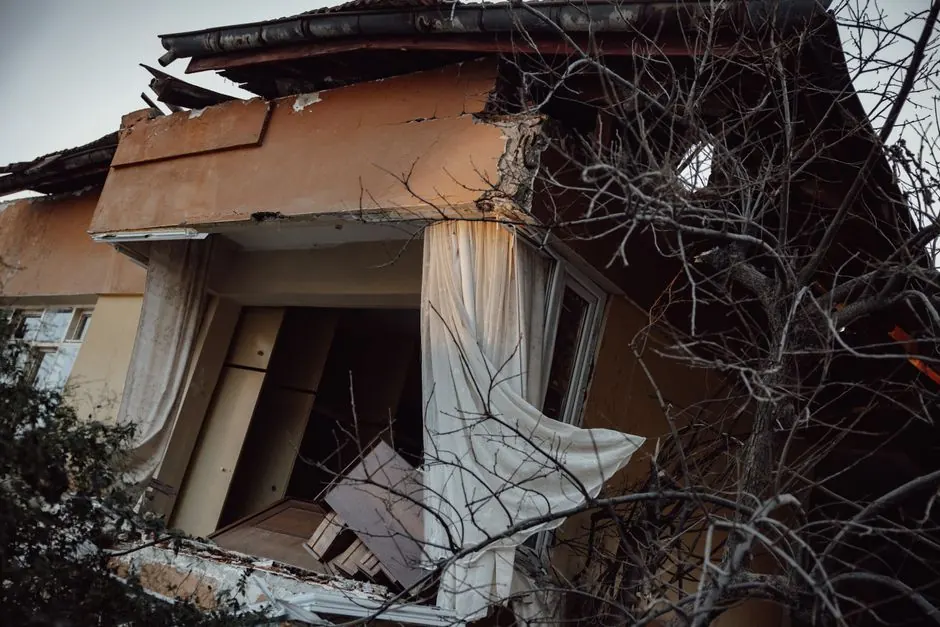
Storm damage restoration is crucial for Appleton homeowners to prevent long-term issues like mold and structural damage. Quick action can save you time and money, ensuring your basement remains dry and safe.
Storm damage restoration is a process that involves assessing and repairing damage caused by severe weather, including heavy rain, wind, and flooding. For homeowners in Appleton, understanding how to effectively manage storm damage is essential to maintaining the integrity of their properties.
Common types of storm damage in Appleton
Appleton experiences a variety of storm-related issues that can affect homes, particularly during the spring and summer months. Heavy rainfall often leads to basement flooding, while strong winds can cause roof damage, allowing water to seep into the home.
Common types of storm damage include:
- Flooding due to heavy rainfall or snowmelt
- Wind damage to roofs and siding
- Water intrusion from broken windows or doors
- Debris accumulation blocking drainage systems
In Appleton, the risk of flooding is particularly high near areas like the Fox River, making it essential for homeowners to be proactive about storm damage restoration.
Steps for effective storm damage restoration
Effective storm damage restoration involves several key steps to ensure a thorough cleanup and restoration process. Here's a comprehensive guide for homeowners in Appleton:
- Assess the damage: Begin by inspecting your property for visible damage. Check your basement for water intrusion and assess any structural issues.
- Document the damage: Take photographs and make notes of the affected areas. This documentation will be helpful for insurance claims.
- Contact your insurance company: Notify your insurance provider about the damage. They can guide you through the claims process.
- Remove standing water: Use pumps or wet vacuums to remove any standing water in your basement. For serious flooding, consider contacting Emergency Water Removal appleton WI professionals to assist.
- Dry the area: Use fans and dehumidifiers to dry out the affected areas. Ensure that all moisture is removed to prevent mold growth.
- Repair and restore: Once the area is dry, begin repairs. This may include replacing drywall, flooring, and other damaged materials.
Following these steps can help minimize damage and restore your home effectively. Many homeowners in Appleton also benefit from Flood Cleanup Services appleton WI to ensure thorough restoration.
What to watch out for during restoration
While restoring your home after storm damage, be aware of potential hazards that can complicate the process. Here are key points to consider:
- Mold growth: Mold can begin to develop within 24-48 hours of water exposure. If you notice any signs of mold, contact Mold Remediation appleton WI professionals immediately.
- Structural integrity: Ensure that any repairs maintain the structural integrity of your home. Consult a professional if you're unsure about any repairs.
- Electrical hazards: Avoid using electrical appliances in wet areas. If you suspect water has reached electrical systems, contact a professional.
When to call a professional
Homeowners in Appleton should consider calling a professional for storm damage restoration in several situations. If the damage is extensive, such as severe flooding or structural issues, it's best to rely on experts. Appleton Basement Water Damage Restoration can assist with effective restoration, ensuring your home is safe and dry.
Frequently Asked Questions
What should I do first after storm damage? Immediately assess the damage and document it for insurance purposes. Remove standing water if safe to do so.
How long does storm damage restoration take? The duration varies based on the extent of the damage but typically ranges from a few days to several weeks.
Will my insurance cover storm damage restoration? Many homeowners' insurance policies cover storm damage, but it's essential to review your specific policy.
How can I prevent future storm damage? Regular maintenance, such as clearing gutters and ensuring proper drainage, can help prevent future storm damage.
What are the signs of water damage? Look for water stains, mold growth, and musty odors as indicators of water damage in your home.