How to identify signs of water damage in your basement
Discover the key signs of water damage in your basement and how to address them effectively, especially for Appleton residents.
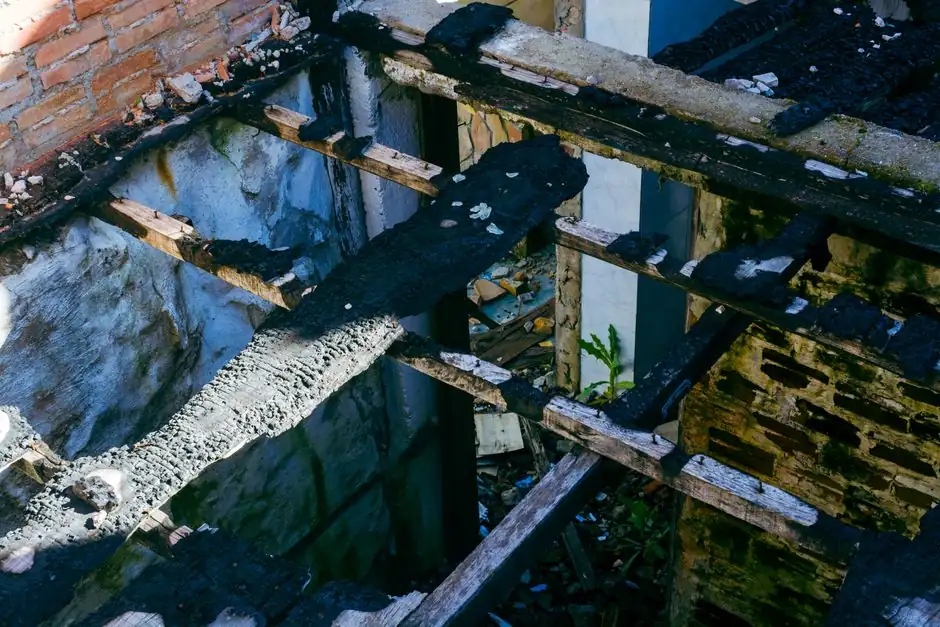
Identifying signs of water damage in your basement can save you from costly repairs and health hazards. Early detection is crucial, as it can prevent mold growth and structural damage. This guide will help you recognize these signs and understand what to do next.
Water damage is a condition that occurs when excess moisture infiltrates a property, leading to deterioration and potential health risks. In basements, this can stem from various sources, including flooding, leaky pipes, or groundwater seepage, especially in areas like Appleton where heavy rains are common.
Common signs of water damage
Several indicators can signal water damage in your basement. Recognizing these early can help you take action before the situation escalates.
- Visible stains or discoloration: Look for brown or yellow stains on walls and ceilings, which often indicate past or present moisture issues.
- Mold growth: Mold thrives in damp environments. If you see mold patches, especially in corners or on surfaces, it's a sign of moisture.
- Peeling paint or wallpaper: This can occur when moisture gets trapped beneath the surface, causing it to lift and bubble.
- Musty odors: A persistent damp smell often indicates hidden water damage or mold.
- Warped or buckled flooring: If your basement flooring feels uneven or warped, it could be due to water damage beneath.
How to check for water damage
Regular inspections can help you catch water damage early. Here's how to conduct a thorough check:
- Inspect walls and floors for stains, discoloration, or warping.
- Check around windows and doors for signs of moisture or condensation.
- Look at the foundation for cracks or gaps where water could enter.
- Examine plumbing fixtures for leaks or signs of corrosion.
- Use a moisture meter to measure humidity levels in the air and on surfaces.
What to watch out for
While inspecting your basement, be aware of specific conditions that can exacerbate water damage:
- Heavy rainfall or snowmelt can increase the risk of flooding.
- Clogged gutters can direct water towards your foundation.
- Improper drainage systems can lead to water pooling around your home.
- Old or damaged sump pumps may fail during heavy rains.
- Unsealed cracks in the foundation can allow groundwater to seep in.
When to call a professional
If you notice signs of water damage or if your inspection reveals serious issues, it's time to contact a professional. Appleton Basement Water Damage Restoration specializes in assessing and addressing water damage effectively. Our experts can provide tailored solutions and ensure your basement stays dry and safe.
Frequently asked questions
1. What are the early signs of water damage in a basement? Early signs include visible stains, mold growth, peeling paint, and musty odors.
2. How can I prevent water damage in my basement? Regular maintenance of gutters, proper drainage, and sealing foundation cracks can help prevent water damage.
3. When should I call a water damage restoration service? Call a service if you notice persistent moisture, mold, or significant structural damage in your basement.
4. How much does water damage restoration cost in 2026? Restoration costs can range from $1,000 to $5,000, depending on the extent of the damage and services required.
5. Can I handle water damage cleanup myself? Minor issues can be handled with DIY methods, but significant damage often requires professional intervention.