Best practices for basement water damage cleanup in Fox River Mall Area
Learn effective strategies for basement water damage cleanup in the Fox River Mall Area, ensuring your home stays safe and dry.
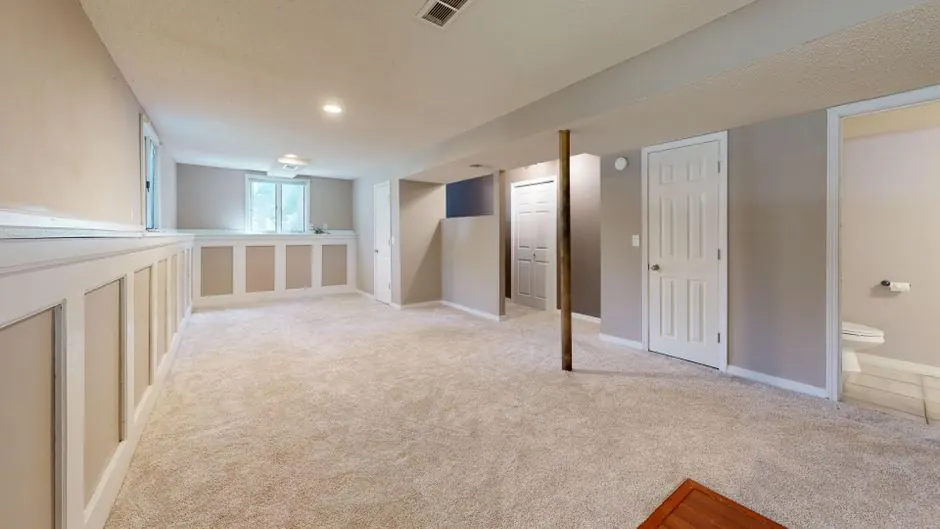
Basement water damage cleanup is essential for maintaining a safe and healthy home environment. In the Fox River Mall Area, effective cleanup involves identifying the source of water intrusion and properly removing moisture to prevent mold and structural damage.
This article covers the common causes of basement water damage, effective cleanup steps, and when to seek professional help. Understanding these aspects can save you time and money in the long run.
What is basement water damage cleanup?
Basement water damage cleanup is the process of removing excess water and moisture from a basement area, typically after a flood or leak. This process is crucial to prevent further damage, such as mold growth and structural issues.
Common causes of basement water damage
Several factors can lead to basement water damage in the Fox River Mall Area:
- Heavy rainfall: Intense storms can overwhelm drainage systems, leading to water accumulation.
- Snowmelt: Rapid melting of snow during spring can cause flooding in basements.
- Leaking pipes: Aging or damaged plumbing can result in leaks that create moisture problems.
- Foundation cracks: Cracks in the foundation can allow water to seep into the basement.
- Improper grading: If the ground around your home slopes toward the foundation, it can direct water into your basement.
Steps for effective water damage cleanup
When dealing with basement water damage cleanup in Appleton, follow these steps:
- Ensure safety: Before starting, turn off electricity and gas to prevent hazards.
- Assess the damage: Identify the source of the water and the extent of damage.
- Remove standing water: Use a sump pump or wet/dry vacuum to extract water. For larger areas, consider hiring Flood Cleanup Services appleton WI.
- Dry the area: Use fans and dehumidifiers to dry out the basement. Aim for less than 50% humidity.
- Clean and disinfect: Clean all surfaces with a mixture of water and detergent, followed by a disinfectant to prevent mold growth.
- Inspect for mold: Check for any signs of mold and address them immediately with Mold Remediation appleton WI services if necessary.
- Repair damages: Fix any structural issues, such as foundation cracks or damaged walls.
What to watch out for during cleanup
While performing basement water damage cleanup, keep an eye out for the following:
- Mold growth: Mold can develop within 24-48 hours after water exposure, so act quickly.
- Structural instability: Be cautious of weakened floors or walls that could pose safety risks.
- Electrical hazards: Ensure that all electrical systems are safe before entering a wet area.
- Hidden moisture: Check behind walls and under floors for hidden water that could lead to future problems.
When to call a professional
If the water damage is extensive, or if you notice persistent mold growth, it's wise to call a professional. Emergency Water Removal appleton WI services can address severe cases effectively, ensuring your home is restored safely.
Frequently Asked Questions
1. How long does basement water damage cleanup take?
Cleanup duration depends on the extent of damage. Generally, it can take between 1 to 3 days for minor issues, while more severe cases may take longer.
2. Can I do the cleanup myself?
For minor water damage, DIY cleanup is possible. However, if the damage is extensive or involves mold, professional help is recommended.
3. How much does basement water damage restoration cost?
In 2026, typical costs for basement water damage restoration in Appleton range from $1,500 to $5,000, depending on the severity of the damage.
4. What are the signs of water damage?
Common signs include water stains on walls, a musty smell, and visible mold growth. If you notice any of these, it's important to act quickly.
5. Is insurance coverage available for water damage?
Most homeowners' insurance policies cover water damage, but it's essential to check your specific policy details and consult with your agent.